Vietnam Transportation, News
The Sacred Am Tien Grotto Site In Thanh Hoa Reopens to Visitors
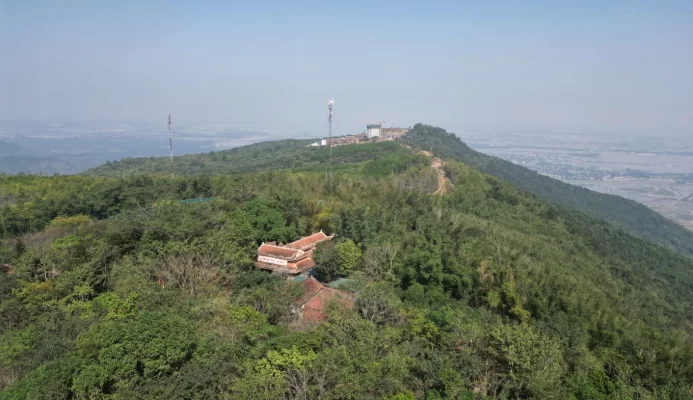
The Am Tien Grotto historic site, together with the Nua Temple and Nua Mountain — a revered land deeply connected to the legendary heroine Ba Trieu, a woman hero of Vietnam — has officially reopened to the public after a period of renovation and restoration aimed at improving visitor experience and preserving the site’s spiritual and cultural value.
Located in Thanh Hoa Province in central Vietnam, the Am Tien Grotto and the surrounding complex are part of the National Historical and Scenic Site associated with the Ba Trieu uprising against Eastern Wu invaders in the year 248. This sacred location has long been an important destination for pilgrims, tourists, and local worshippers seeking to pay respects, reflect on history, and experience Vietnam’s rich spiritual traditions.
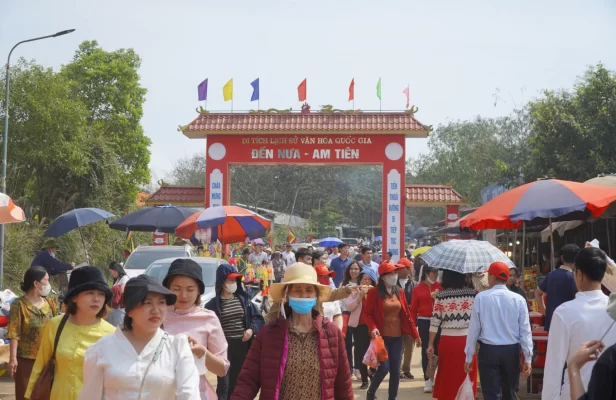
On January 20, 2026, Mr. Nguyen Ba Linh, Director of the Management Board for the Ha Dynasty Citadel Heritage and Key Sites of Thanh Hoa Province, announced that this important cultural and spiritual complex has resumed normal operations following a three-week period of landscape restoration, infrastructure improvements, and the removal of unauthorized constructions.
The renovations were completed after formal handover and reception processes were finalized between relevant authorities and managing agencies. The efforts focused on addressing previous management weaknesses, restoring the site’s sacred ambiance, and meeting safety requirements for the growing number of visitors, especially during the Tet (Lunar New Year) and early spring period of the Year 2026.
Visitor Experience and Services After Reopening
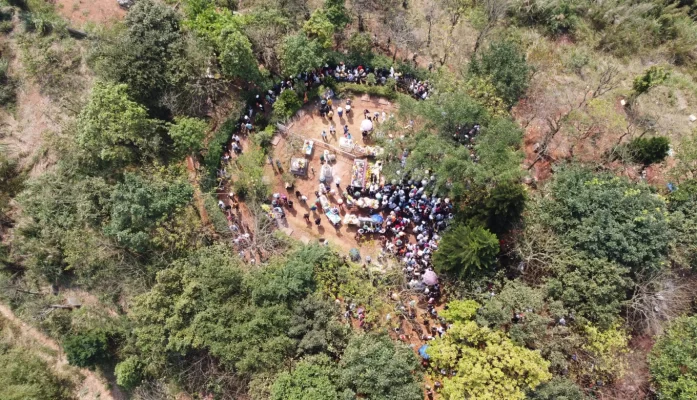
Since reopening, Am Tien Grotto has welcomed visitors to participate in traditional activities such as sightseeing, offering incense, and spiritual reflection — all in a respectful and peaceful environment reminiscent of the site’s long cultural history.
However, some services that operated previously have not yet resumed:
-
Food and beverage kiosks — Many small, informal stalls that once clustered near the grotto were removed by authorities due to unauthorized construction. As a result, there are currently no official food services within the area.
-
Accommodation services — Overnight stay options are not yet available on-site, and visitors planning longer visits should prepare their own necessities.
-
Shuttle transport — The possibility of organized shuttle services from the mountain base to the peak is being carefully studied to ensure visitor safety before any official launch.
Visitors are encouraged to bring their own food, water, and essential supplies when planning to stay for extended periods, especially since some areas are remote and services remain limited.
Restoration and Future Plans
The reopening is part of a broader effort by the Management Board for the Ho Dynasty Citadel and Key Sites, in cooperation with local authorities and related agencies, to continue upgrading and beautifying the site. Upcoming plans include:
-
Improving the landscape and grounds around the grotto.
-
Removing inappropriate vegetation or structures that do not align with the site’s historic character.
-
Enhancing infrastructure for better long-term preservation and sustainable management.
These actions aim to safeguard the cultural integrity of the site while making it more accessible and respectful for both spiritual pilgrims and tourists.
Background: A Sacred Place in Vietnam’s Cultural Heritage
Am Tien Grotto is part of an extensive complex that includes:
-
Nua Temple
-
Nua Mountain
-
The grotto itself
This ensemble sits atop Ngan Nua Mountain and spans several communes, including Tan Ninh, Mau Lam, and Trung Chinh. It is historically tied to Ba Trieu, a celebrated female leader who rallied people to resist foreign occupation in the 3rd century.
According to traditional belief, the central point of Ngàn Nưa Mountain — where the grotto lies — is considered one of the three sacred energy vortexes (“huyệt đạo thiêng”) in Vietnam. Alongside similar revered sites at:
-
Da Chong Mountain near Hà Nội
-
Ba Đen Mountain in Tây Ninh
this spot is thought to be where earth and sky energies converge, attracting spiritual significance for meditation, reflection, and ritual practices.
A Place for Pilgrimage and Cultural Memory
Every year, thousands of visitors come to the site during significant cultural moments such as the “mở cổng trời” festival (Opening the Sky Gate), which typically occurs on the 9th day of the first lunar month. During such events, people from across the country gather to pray for peace, prosperity, and good fortune for the coming year.
The recent renovation and reopening are widely seen as efforts to protect and celebrate Vietnam’s cultural heritage, ensuring that Am Tien Grotto remains a place of historical memory, spiritual meaning, and peaceful connection for generations to come.