Vietnam Transportation, News
Foreign Media Calls Hoi An a “Rare Destination” in Vietnam
Foreign travel magazines and international publications are increasingly spotlighting Hoi An, a historic town in Central Vietnam, as one of the world’s truly unique places. Described by well-known travel guides like Lonely Planet as a “rare destination,” Hoi An draws visitors with its harmonious blend of evocative history, local culture, varied experiences, and a richness of scenery all within a compact, easy-to-explore setting.
A Unique Place Among Vietnam’s Landscapes
In a country known for its bustling cities, tranquil villages, spectacular coastlines, and lush highlands, Hoi An stands out like a “unicorn” – a rare place where many visitors feel they truly encounter themselves. This description captures the appeal that goes beyond typical sightseeing: it’s about experiencing a sense of place that is both deeply cultural and warmly welcoming.
The charm of Hoi An comes from the combination of its centuries-old heritage district, productive rural landscapes, vibrant culinary scene, and coastal charm. Each of these elements complements the others, making a trip to Hoi An a multi-sensory and deeply satisfying experience.
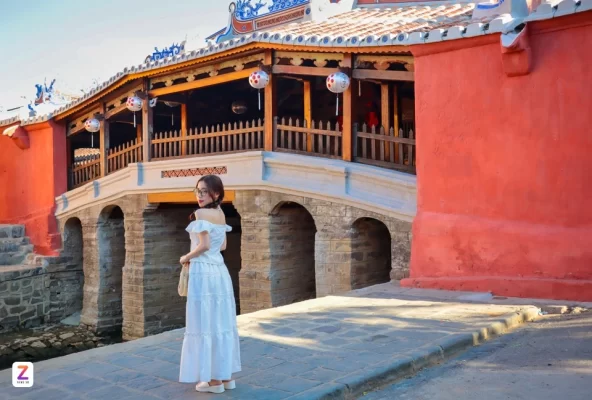
Check – in at Cau Temple – Hoi An
World Heritage and Historical Richness
At the heart of the town is the Hoi An Ancient Town, recognized as a UNESCO World Heritage Site. Here, a narrow network of pedestrian streets weaves between beautifully preserved brick and wooden buildings, traditional shops, and colorful temples. The legendary Japanese Covered Bridge, a symbol of Hoi An, captures the historical connections between the local community and centuries of international influences.
Every corner of the old quarter tells a story: from Chinese assembly halls and Vietnamese temples to the heritage homes that once belonged to influential merchants. Walking through these alleys at sunrise or sunset reveals the gentle rhythms of local life that continue much as they did hundreds of years ago.
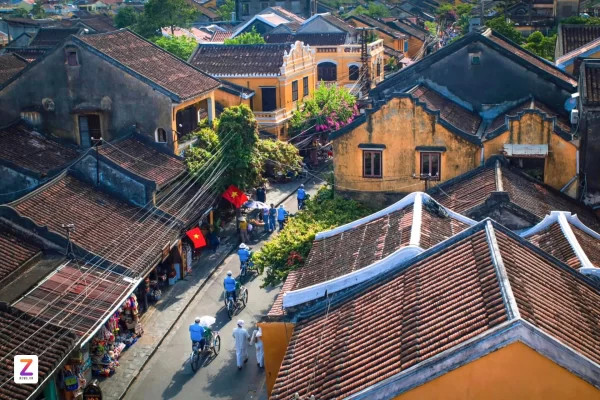
The Hoi An Ancient Town with signature golden walls
Ideal Travel Seasons
As many travelers discover, there isn’t a single “wrong” time to visit Hoi An – each season offers its own allure:
-
Late winter and early spring (mid-January to mid-April) bring cooler, dry weather perfect for exploring on foot or by bicycle.
-
Summer (April to September) is ideal for sunbathing and beach activities along the nearby coast.
-
Autumn (October to November) can be spectacular, though visitors should be aware of occasional rain and the possibility of flooding.
Peak travel periods largely coincide with year-end holidays, summer vacations, and evenings of the famous Lantern Festival, when the streets glow with paper lanterns and floating lights.
How Long to Stay
Most travelers find that a 3- to 5-day visit offers a well-rounded experience, long enough to explore the historic quarter, taste local specialties such as cao lau noodles and spirited street food sandwiches, and browse handcrafted products in storefronts set inside preserved heritage homes.
For visitors who want to dive deeper into the culture or enjoy leisure time by the sea, longer stays of one week or more are increasingly common. The nearby An Bang Beach offers a refreshing mix of relaxed seaside cafés, beachfront bars, and water sport options that contrast beautifully with the antique lanes of the town center.
Getting There and Getting Around
Reaching Hoi An is straightforward. Most international travelers fly into Da Nang International Airport, which is under an hour’s drive away. From there, taxis or pre-booked transfers whisk visitors into town. Within Hoi An, a variety of transport options (bicycles, scooters, taxis, and ride-hailing services) connect the ancient streets with open countryside or scenic coastline.
The old town itself features extensive pedestrian-only areas during certain hours, inviting visitors to stroll freely without traffic interruptions.
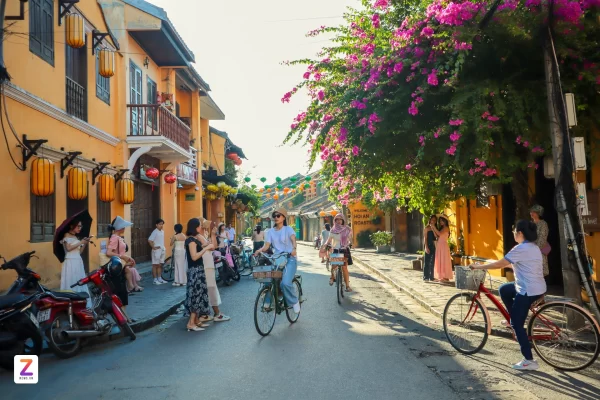
The Hoi An Ancient Town in the morning with many customers
Signature Experiences in Hoi An
While the historic town center is the centerpiece, there’s much more waiting to be discovered:
-
Cycling tours through rice paddies and quiet village roads offer a glimpse into rural life that few other travel destinations can match.
-
Jeep or vintage scooter excursions take adventurous travelers across diverse terrain.
-
Boat trips through the serene Cam Thanh Coconut Forest reveal another layer of agricultural richness.
-
Beach visits to Cua Dai, Ha My Beach, and more combine relaxation with opportunities for surfing, swimming, and seaside dining.
-
Cham Island excursions offer pristine waters and snorkeling experiences about 30 minutes by boat.
Nearby historic sites like the My Son Sanctuary, an ancient complex of Hindu temples, are perfect for day trips and add historical depth to the landscape.
Local Cuisine and Culture
One of Hoi An’s most delightful attractions is its food. Signature dishes like cao lau, thick noodles with local herbs and savory meat, and the town’s unique take on banh mi sandwiches are beloved by travelers and locals alike. Street-food stalls often line the quieter streets, and those frequented by residents are generally regarded as the most authentic and trustworthy.
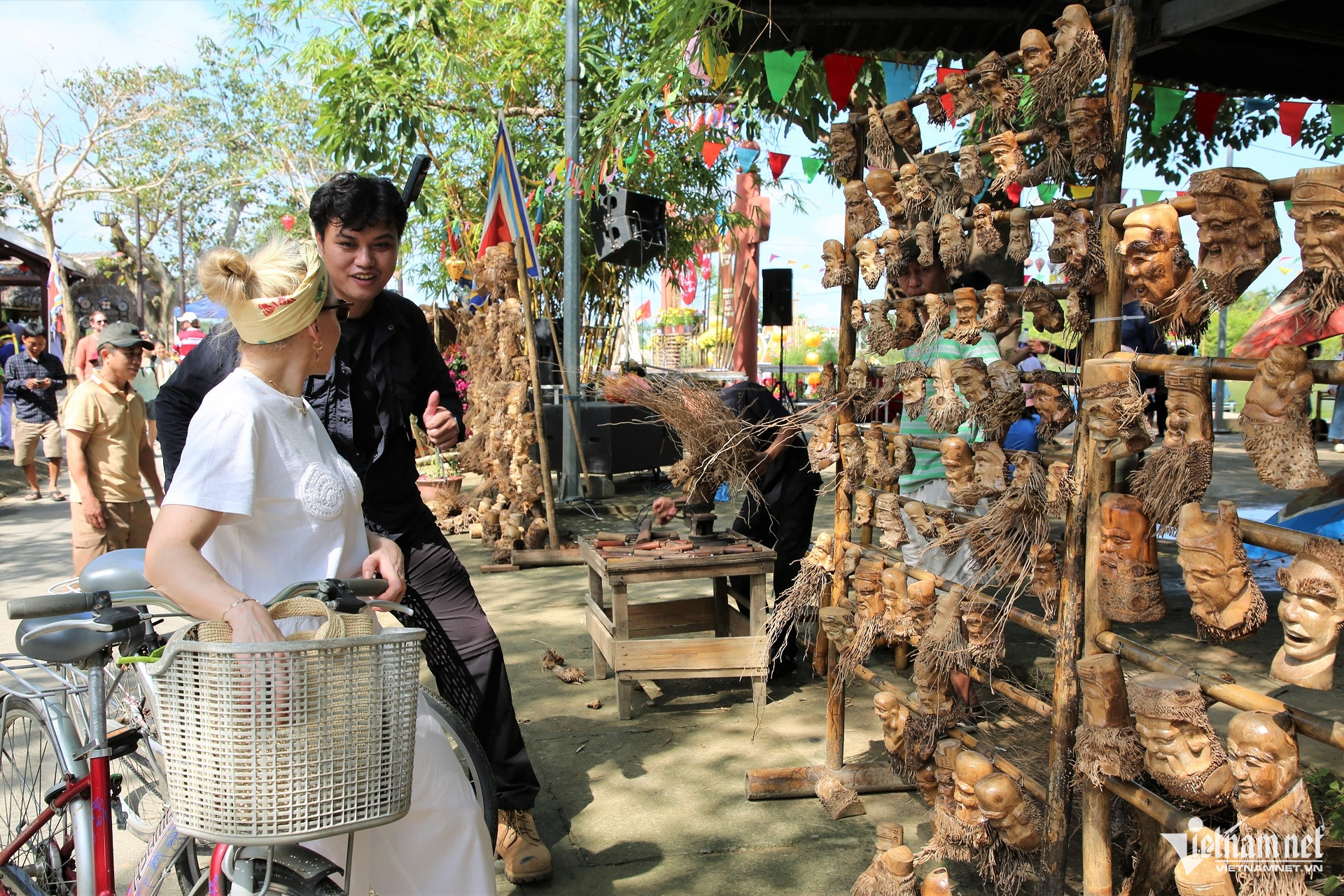
Local workshops also offer hands-on experiences in lantern making, traditional cooking classes, and craft creation – activities that deepen cultural appreciation and create memorable takeaways for visitors.
Reasonable Costs and Quality
Compared with many Western destinations, Hoi An offers excellent value for money. Whether staying in charming guesthouses or high-end beach resorts, enjoying fine dining or humble street eats, the cost balance remains attractive to a broad range of travelers.
From bespoke tailoring services to handcrafted silk, leather goods, and artisan souvenirs, Hoi An also caters to shoppers eager to find unique items that reflect local artistry.