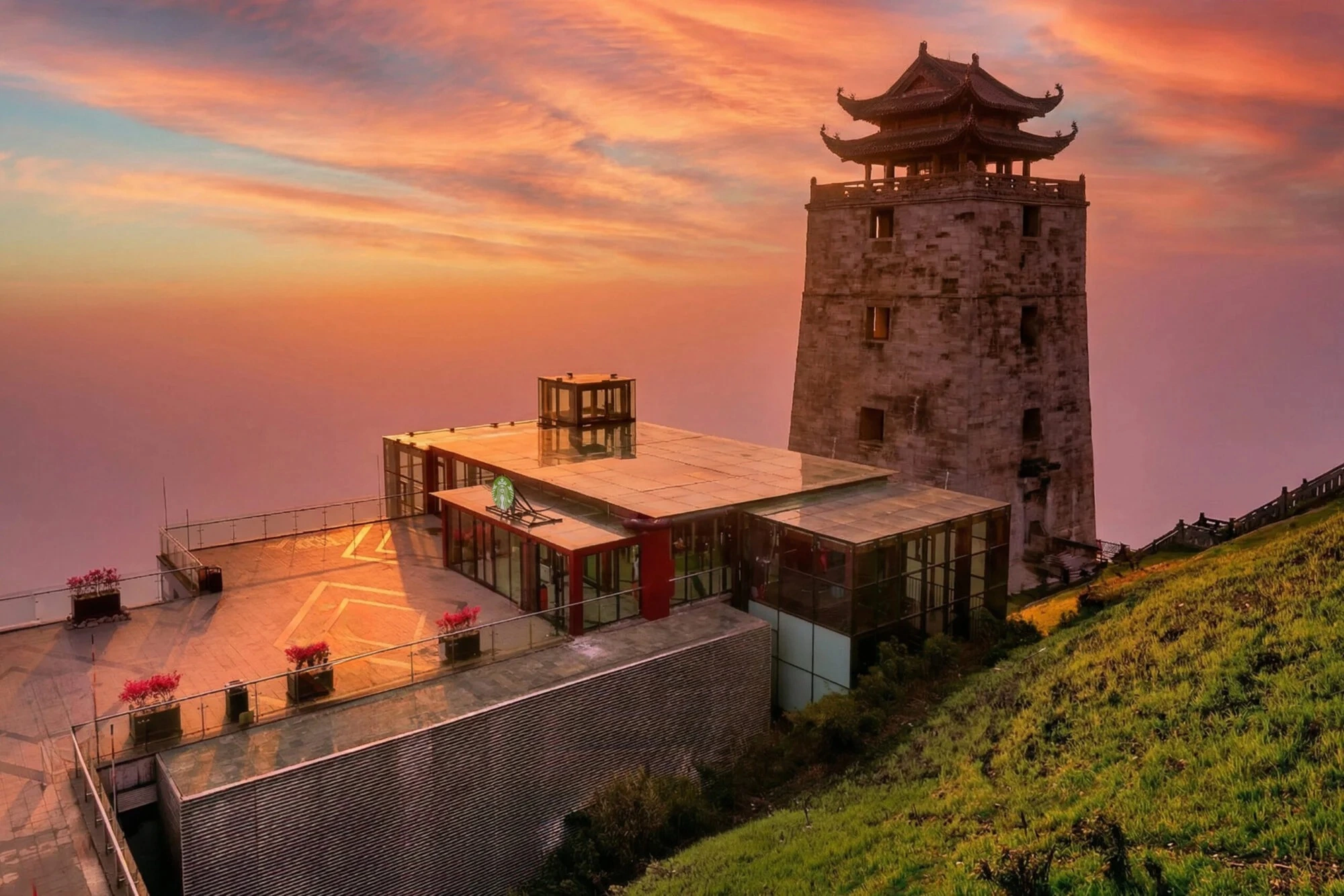
News
Vietnam Among the 28 Most Beautiful Countries in the World: What Is Its Ranking?
The list of the 28 most beautiful countries in the world, recently published by the renowned American travel magazine Condé Nast Traveler, is not merely a ranking, it is an invitation to explore destinations that captivate visitors at first sight. Each country on the list represents a unique blend of natural wonders, cultural richness, and unforgettable travel experiences.
In this year’s ranking, Vietnam proudly secures the 17th position, standing alongside global tourism powerhouses such as Australia, Brazil, Switzerland, and Japan. This achievement highlights Vietnam’s growing reputation as one of the most attractive destinations in the world, particularly in Southeast Asia, where only a few countries have earned a place on this prestigious list.
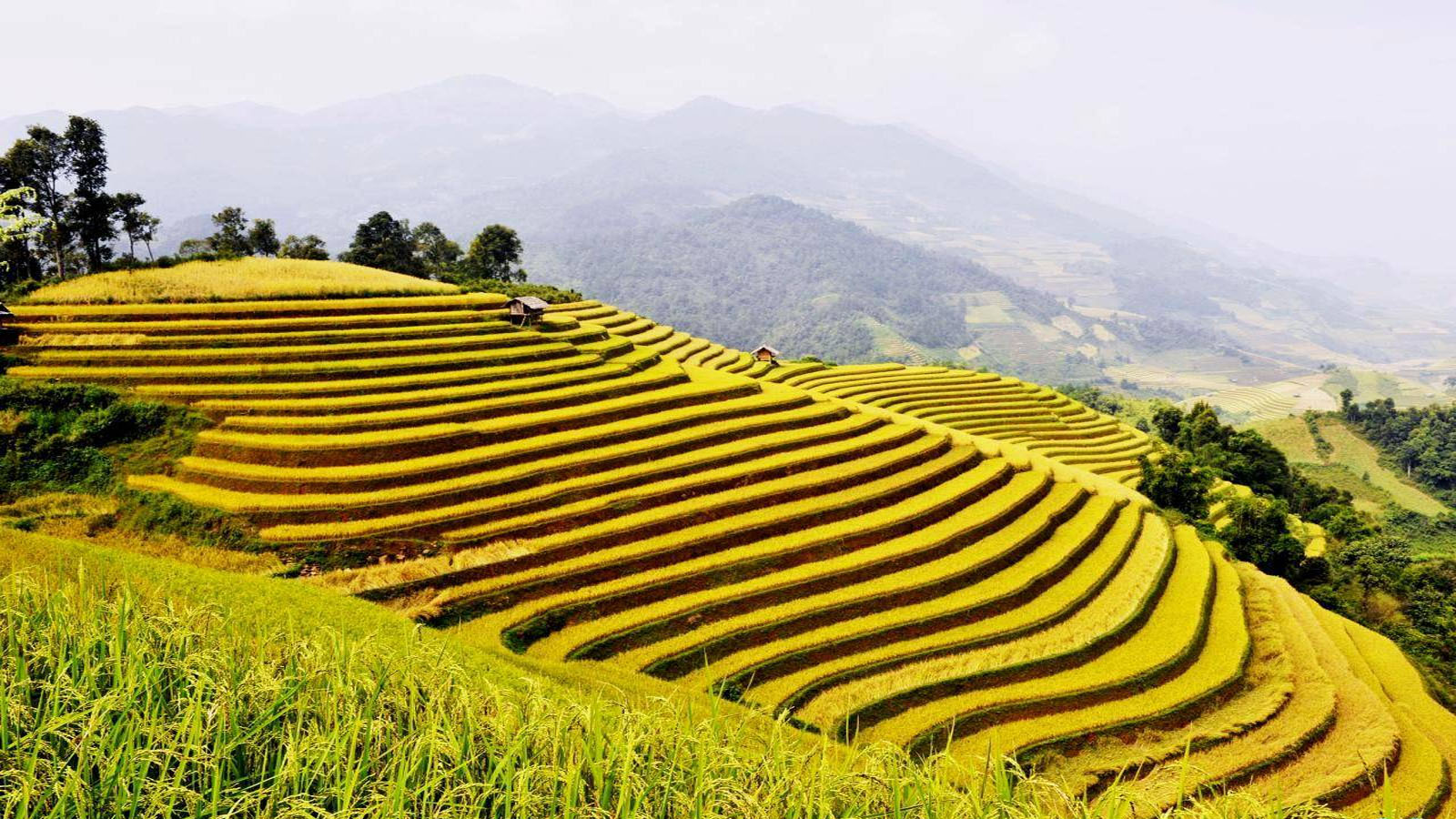
Terraced fields in Ha Giang
A Land of Diverse Beauty
According to Condé Nast Traveler, the beauty of each country is ultimately subjective, shaped by individual perceptions and travel experiences. However, what makes Vietnam stand out is its remarkable diversity of landscapes and cultural depth. Stretching from the mountainous north to the tropical south, Vietnam offers a wide range of scenery that appeals to all types of travelers.
Major cities such as Hanoi (capital city) and Ho Chi Minh City (formerly Saigon) attract millions of visitors each year thanks to their vibrant energy, historical significance, and dynamic urban culture. Yet, beyond these bustling metropolises lies a country that is equally, if not more, appealing to those seeking nature and outdoor adventures.
Vietnam is often described as a paradise for nature lovers and adventure seekers. Whether it is trekking through rugged mountain trails, relaxing on pristine beaches, or exploring hidden caves and ecosystems, the country offers countless opportunities to connect with nature.
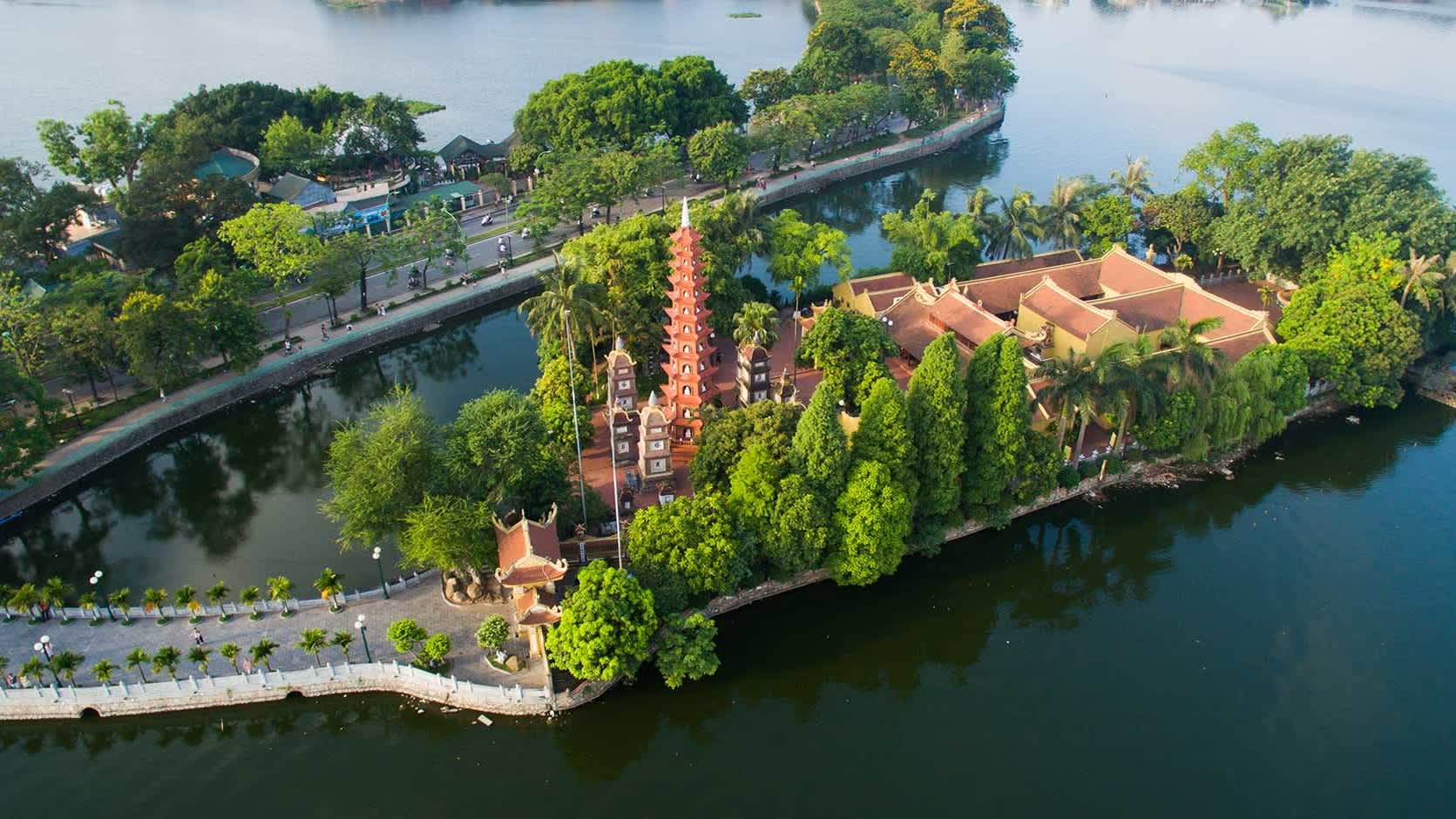
Tran Quoc Temple in Hanoi
Iconic Destinations That Define Vietnam
One of Vietnam’s most iconic landmarks is Ha Long Bay, located in the northeast. Famous for its emerald-green waters and thousands of towering limestone islands, the bay is covered in lush tropical vegetation and surrounded by a rich ecosystem. This UNESCO-recognized natural wonder has become a symbol of Vietnam’s beauty on the global tourism map and continues to leave visitors in awe with its surreal scenery.
Further north, the mountainous region of Ha Giang enchants travelers with its dramatic landscapes. Here, towering peaks, winding mountain passes, and terraced rice fields create a breathtaking panorama. The region is especially popular among those who enjoy trekking, motorbike journeys, and immersive cultural experiences with local ethnic communities.
Moving toward central Vietnam, coastal areas such as Ninh Van Bay offer a completely different experience. Known for its crystal-clear waters and vibrant marine life, this destination is ideal for activities like diving, snorkeling, and exploring underwater ecosystems. It is also a place where visitors can enjoy tranquility away from crowded tourist hubs.
In the south, Phu Quoc Island, often referred to as the “Pearl Island,” stands out as a tropical paradise. Covered in dense forests and surrounded by turquoise waters, Phu Quoc is perfect for those seeking relaxation, luxury resorts, and pristine beaches. Visitors can easily spend several days here enjoying the peaceful environment and reconnecting with nature.
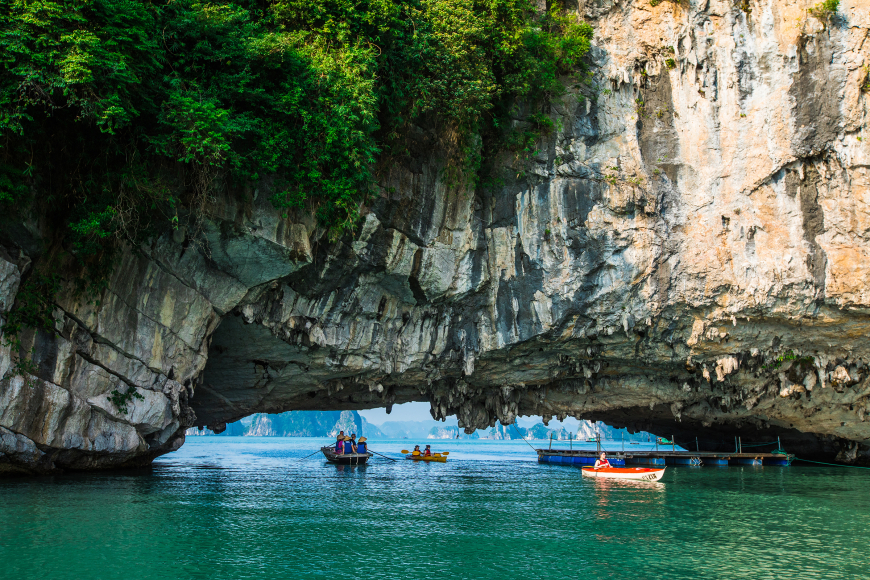
Ha Long Bay – a symbol of Vietnam’s beauty on the global tourism map
A Balance of Nature and Culture
What truly elevates Vietnam’s position on this list is not only its natural beauty but also its rich cultural heritage. From ancient traditions and historic architecture to diverse cuisine and local lifestyles, Vietnam offers depth beyond its landscapes.
Cities like Hanoi showcase a fascinating blend of old and new, where centuries-old temples and colonial buildings coexist with modern developments. Meanwhile, Ho Chi Minh City represents the country’s fast-paced, contemporary side, often described as a “city that never sleeps.”
This balance between tradition and modernity creates a unique travel experience, allowing visitors to explore both the past and present within a single journey.
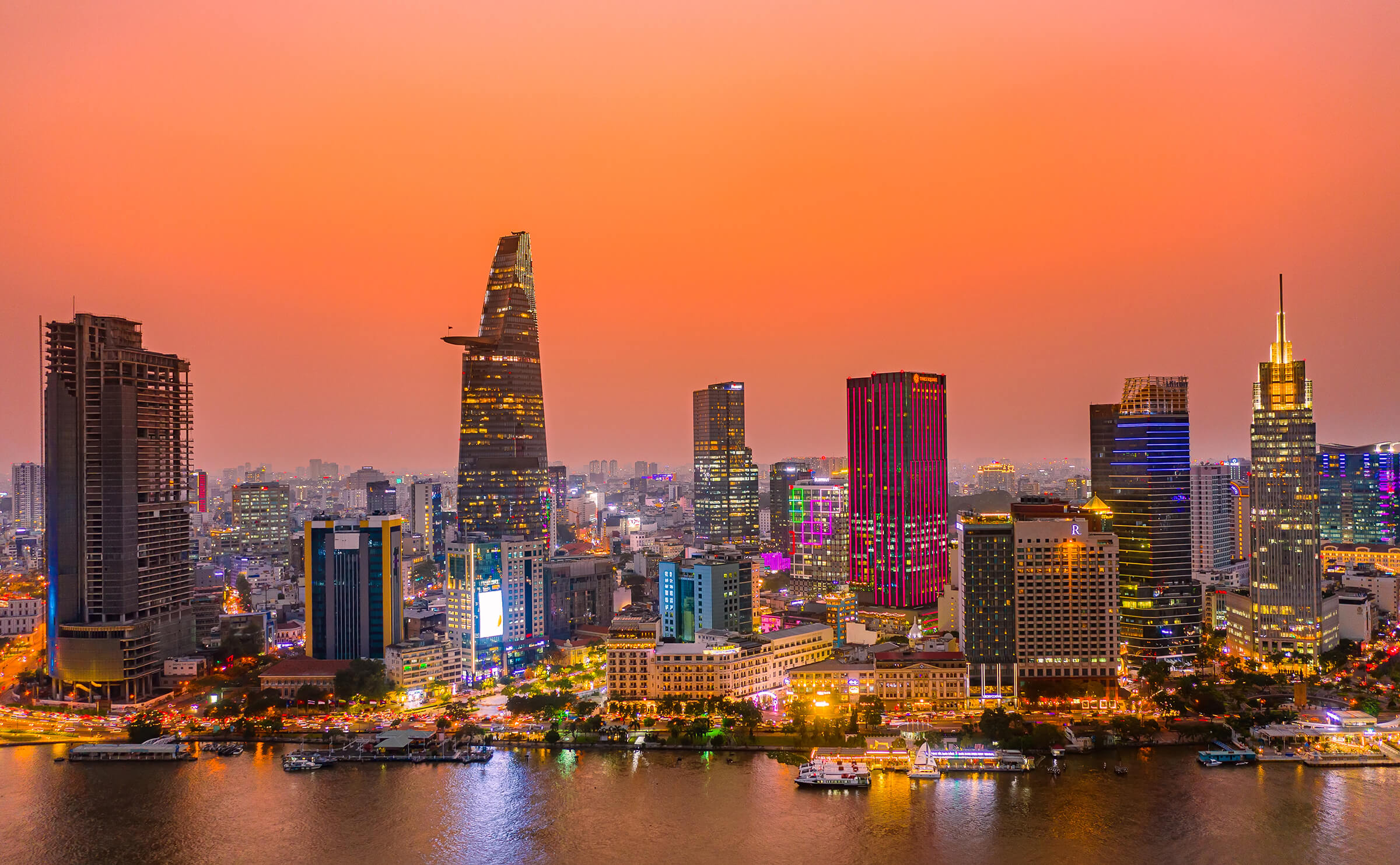
Ho Chi Minh City – the city never sleeps
Vietnam’s Growing Global Appeal
Being ranked among the world’s most beautiful countries is a strong testament to Vietnam’s rising prominence in global tourism. The country’s ability to offer mountains, beaches, islands, forests, and vibrant cities all in one destination makes it especially appealing to international travelers.
Moreover, Vietnam’s affordability, hospitality, and continuously improving tourism infrastructure further enhance its attractiveness. As global travelers increasingly seek authentic and diverse experiences, Vietnam is well-positioned to meet these expectations.
More Than Just a Ranking
Ultimately, the list by Condé Nast Traveler is not just about competition, it serves as inspiration. It encourages travelers to discover new places and appreciate the extraordinary diversity our world has to offer.
For Vietnam, ranking 17th is not only a recognition of its beauty but also a reminder of its potential. With its stunning landscapes, cultural richness, and welcoming people, Vietnam continues to leave a lasting impression on anyone who visits.
And perhaps, for many travelers, Vietnam is not just one of the most beautiful countries in the world, it is a destination that stays in their hearts long after the journey ends.