News
A Little-Known Authentic H’mong Village in Ha Giang – Lan Xi A
Nestled deep within the rugged mountains of northern Vietnam, a small and little-known H’Mong village called Lan Xi A Village offers a rare glimpse into a way of life that has remained largely unchanged for generations. Hidden among limestone peaks and quiet valleys, this settlement is still untouched by mass tourism, making it one of the most authentic cultural destinations in the region.
Located approximately 30 kilometers from Dong Van Old Town, Lan Xi A lies surrounded by rocky mountains, interspersed with small valleys and terraced fields. The journey to the village itself feels like stepping back in time, as winding roads lead travelers away from busy tourist routes into a peaceful, almost forgotten corner of the highlands.
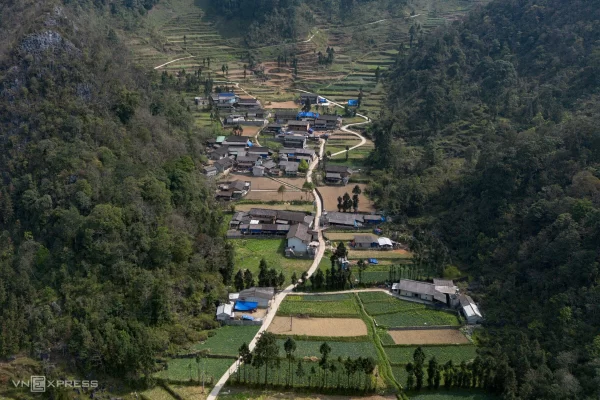
Lan Xi A Village is 30km far from Dong Van Old Town
A Landscape of Stone, Earth, and Silence
The village is home to dozens of H’Mong households, all living in traditional rammed-earth houses that blend seamlessly into the natural environment. These homes, typically one to two stories high, are built along the slopes of hills. Houses at higher elevations overlook those below, creating a layered architectural pattern that follows the terrain rather than altering it.
Tall, straight sa moc trees (a native conifer species) stand like silent guardians between the houses, adding to the village’s tranquil atmosphere. The absence of modern construction materials such as glass and steel helps preserve a cohesive visual identity—one that reflects both resilience and harmony with nature.
Unlike many tourist-developed villages, Lan Xi A has retained nearly all of its original architectural forms. Around 90% of the houses still maintain their traditional design, despite some families gradually replacing old roofs with more durable materials due to the shortage of skilled craftsmen.
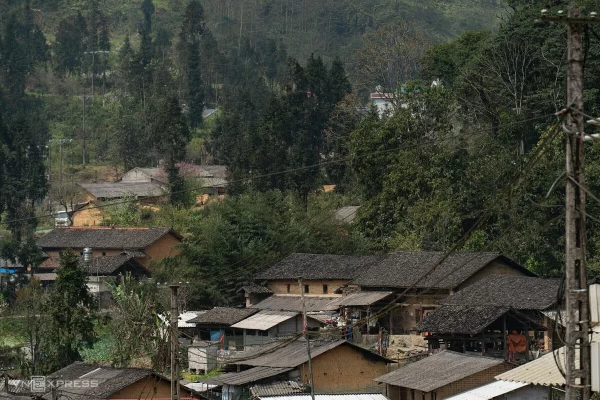
Around 90% of the houses still maintain their traditional design
Life Rooted in Tradition
The village consists of about 83 households, all belonging to the H’Mong ethnic group. Agriculture remains the primary livelihood, with families cultivating crops on nearby fields and maintaining a self-sufficient lifestyle.
Daily life here follows rhythms that have existed for centuries. In the early morning, villagers begin their day by tending to fields, feeding livestock, and preparing simple meals over traditional stoves. By midday, women can often be seen working in the fields, harvesting vegetables or caring for crops under the mountain sun.
What makes Lan Xi A especially unique is not just its physical preservation, but its cultural continuity. Traditional customs, clothing, and routines are still practiced naturally rather than performed for tourism. Elderly residents, even those in their 80s or 90s, continue to work and participate in daily life, reflecting a strong sense of resilience and community.
For example, Mrs. Thao Thi Tung, an 86-year-old resident, lives in a house that is over 45 years old. Her home has only a simple wooden plank as a door and is rarely locked – a testament to the safety and trust within the community. Despite her age and declining health, she remains connected to the rhythms of village life.
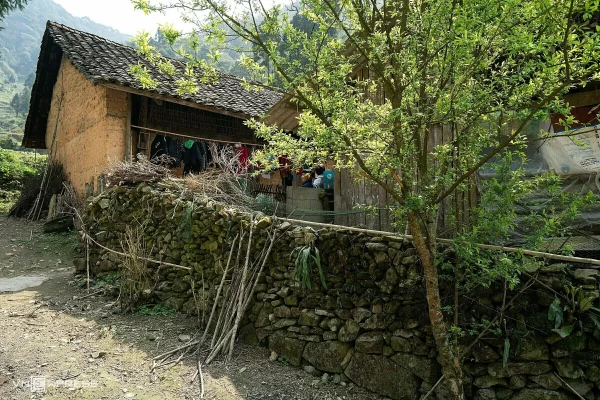
The more 40 year – old house
Stories from the Elders
Among the oldest residents is Mr. Va Chia Dinh, aged 88, who lives alone in a modest house lit by a single bulb. He continues to follow traditional H’Mong customs strictly – wearing ethnic clothing daily, cooking three meals a day, and avoiding modern foods like instant noodles.
His home reflects a lifestyle rooted deeply in tradition: two large cooking areas are used separately—one for preparing animal feed and another for family meals. Oil lamps are still part of daily life, though they are typically lit only during important traditional periods such as the Lunar New Year.
These personal stories reveal how culture here is not preserved artificially but lived authentically, embedded in everyday actions.
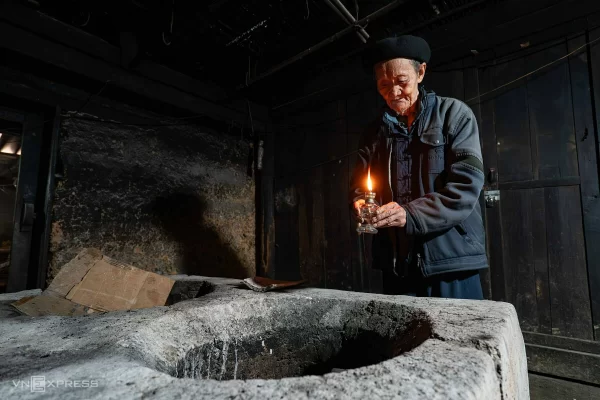
Mr. Va Chia Dinh is the oldest man in Lan Xi A with traditional lifestyle
The Quiet Beginnings of Tourism
Tourism in Lan Xi A remains minimal. The only person currently offering tourism services is Mr. Vang Mi Po, the village’s Party cell secretary. He has converted part of his traditional rammed-earth house into a simple dormitory-style homestay.
However, visitor numbers are still very low – only around 10 guests per month. This is largely due to the village’s lack of visibility and promotion. Most travelers visiting nearby destinations such as Pho Bang often turn back without realizing that Lan Xi A exists, despite relatively accessible roads.
Mr. Po acknowledges that the current setup is not ideal. Since his family still lives in the same house used for accommodation, guests may feel uncomfortable due to limited privacy. He hopes to expand or relocate living spaces if tourism grows in the future.
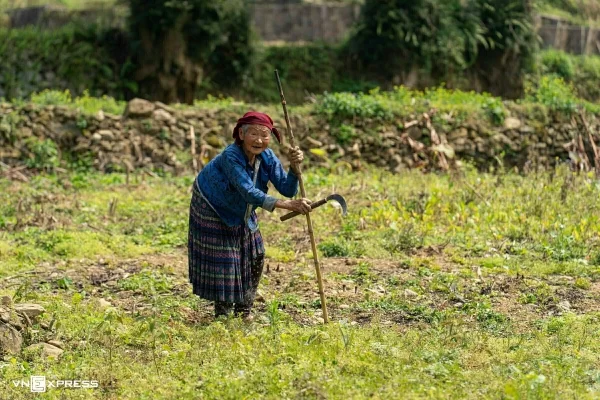
Many old women still work in the fields
Untapped Potential and Challenges
In the past, local authorities had plans to develop tourism in the village, but these initiatives were paused following administrative changes. As a result, Lan Xi A remains largely absent from mainstream travel itineraries.
Despite this, the village holds significant potential. Its preserved architecture, authentic lifestyle, and natural surroundings make it an ideal candidate for community-based tourism.
Mr. Po envisions a cooperative model where some households operate homestays while others continue farming, raising livestock, and providing local products. This approach would allow visitors to experience genuine village life while ensuring that economic benefits are shared across the community.
He emphasizes that success depends not only on resources but on collective effort:
“This place has everything, from forests to culture, but whether tourism succeeds depends on how united the people are.”
A Rare Glimpse into Authenticity
What sets Lan Xi A apart from more famous destinations is its untouched nature. There are no staged performances, no commercialized experiences, just real life unfolding quietly in the mountains.
Visitors who make the journey here are often welcomed warmly by locals, even though communication can be challenging due to limited proficiency in the national language. Still, hospitality transcends language barriers, and guests are often invited into homes out of simple curiosity and kindness.
In a time when many traditional villages are rapidly transforming under tourism pressure, Lan Xi A stands as a reminder of what authenticity truly looks like. It is not curated or reconstructed, it simply exists.