Vietnam Transportation, News
A 100 Years Old Temple Draws Visitors with a Special Lantern Auction Festival in Can Tho
Located on Nguyen Van Troi Street in the Soc Trang Ward of Can Tho City, the Hoa An Cantonese Assembly Hall colloquially known among locals as Ong Bon Temple is much more than a place of worship. It stands as a vibrant cultural symbol and one of the most significant historical sites associated with the Chinese – Vietnamese community in the Mekong Delta of southwestern Vietnam.
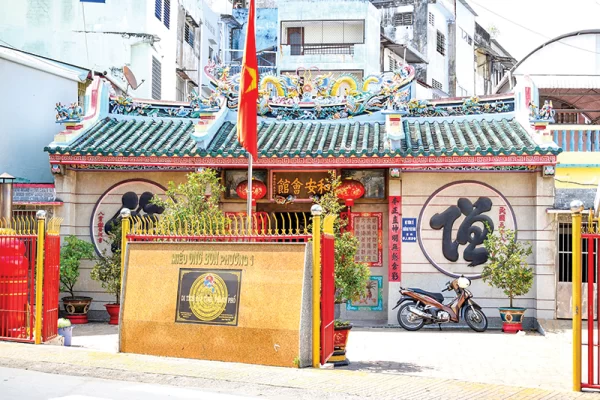
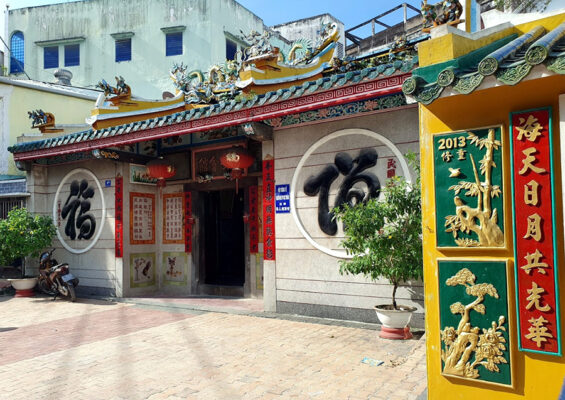
Foreground of Hoa An Hoi Quan
A Living Heritage Over a Century Old
According to records preserved within the temple, this religious and cultural structure was originally constructed in 1875, making it well over a century old. Over the past 150 years it has survived the passage of time and undergone seven major restorations, yet its original form, layout, and architectural principles remain remarkably intact.
Unlike many modern reconstructions, the assembly hall preserves its traditional design. The architectural layout follows the Chinese character “Phu,” meaning prosperity and abundance, symbolizing the founders’ wishes for wealth, peace, and plenty for the community. Every aspect of the building, from roof shape and beam structure to ornamental detail, reflects these traditional ideals.
The temple’s roofs are particularly striking. Constructed from green glazed curved tiles, they embody the classic Yin-Yang style of roofing found in traditional Chinese architecture. At the apex sits a sculptural motif known as “two dragons worshipping the moon,” a revered symbol in East Asian art representing balance, harmony, and heavenly blessing.
Walking through the main gate, visitors are immediately struck by the intricate carvings and calligraphic panels flanking the entrance, richly detailed with ancient Chinese folk motifs, riddles, and poetic inscriptions. These decorative elements serve dual roles: aesthetic ornamentation and didactic storytelling about moral virtues and spiritual belief.
Inside the Temple – Artistry and Devotion
Stepping into the inner shrine, the grandeur only deepens. Rows of ornate horizontal boards and hanging plaques (known as “hoanh phi” and “cau doi”) span the nave from the outer hall to the sanctum. Painted in brilliant vermilion and gilded with gold leaf, these wooden artworks not only create a brilliant visual effect but also demonstrate the exceptional craftsmanship of artisans of past centuries.
In the very heart of the main sanctuary resides the spirit tablet of Zheng An – a legendary figure in traditional Chinese folk belief, revered for his loyalty, righteousness, and benevolence. According to local lore, Zheng An devoted his life to the welfare of ordinary people, encouraging farming and community building. Over generations, such stories elevated him to a near-divine status, and he is worshipped here as a guardian benefactor.
Flanking this central figure are altars dedicated to other significant deities including the God of Virtuous Blessings and the Heavenly Queen Mother (Mazu). These figures hold deep spiritual meaning for the local Chinese diaspora, embodying protection, health, and spiritual guidance. Worship of these deities has been preserved by families and community members over decades, even as the wider society modernizes.
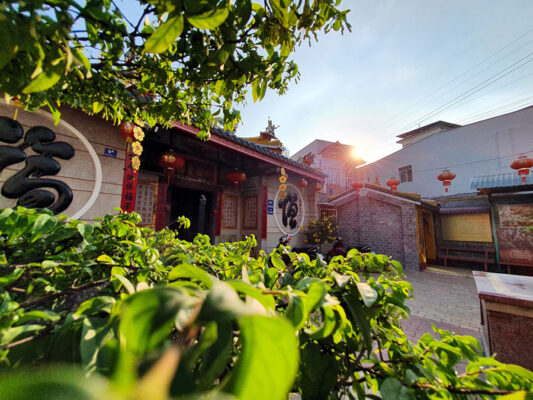
The overall layout of Ong Bon Temple is modeled after the Chinese character “Phu”
Treasures and Timeless Relics
Beyond its religious functions, the assembly hall houses an impressive collection of precious artifacts. Among these are:
-
A gilded wooden statue of Ong Bon, the temple’s popular tutelary figure.
-
An ancient ornate incense burner of Thai Sue design.
-
A pair of ceremonial metal cranes and turtles holding lotus flowers – symbols of longevity, strength, and spiritual harmony.
Each artifact is cherished not merely as an artistic object but as a touchstone of memory and identity for the community.
The Special Lantern Auction Festival
Perhaps the most distinctive cultural event associated with the temple is its Lantern Auction Festival, held annually in the early days of the Lunar New Year. Unlike typical temple festivals, this event combines spiritual meaning with community engagement and charity.
On each lantern, participants write well-wishes, messages for peace, prosperity, wealth, and good fortune before bidding on them in an inclusive auction. The atmosphere is festive and joyous, resonant with the vibrant spirit of the New Year.
But the event goes beyond fun and tradition. Funds raised through the auction are donated to local charitable causes, symbolizing compassion and collective responsibility. It’s a way for people from various walks of life, locals and visitors alike, to unite in support of those facing hardship.
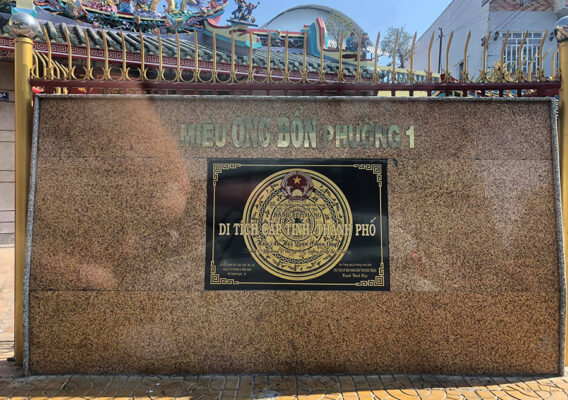
Ong Bon Pagoda in Soc Trang has been recognized as a provincial-level cultural and architectural heritage site
Recognition and Spiritual Tourism
In 2004, owing to its historical, cultural, and architectural significance, the temple was officially recognized as a provincial cultural and artistic relic site. Today, it is a highlight on the spiritual tourism map of the Mekong Delta, drawing both domestic and international visitors eager to experience its quiet majesty and cultural depth.
Whether one comes for devotion, architecture, history, or social connection, the Hoa An Cantonese Assembly Hall remains a vibrant testament to cultural endurance, a place where heritage lives, breathes, and continues to inspire.