
Train travel guide
8 Useful Tips for First-Time Travelers on a Sleeper Train
For long-distance travel in Vietnam, sleeper trains are a popular choice for both tourists and locals. They offer a balance between affordability and comfort, allowing passengers to rest overnight while moving between major destinations. However, if this is your first time traveling on a sleeper train, you may feel unsure about what to expect. To help you have a smoother and more enjoyable journey, here are some practical and experience-based tips.
1. Book Your Sleeper Train Ticket Early
One of the most important things to remember is to book your ticket as early as possible. Sleeper berths are limited in number and often sell out quickly, especially during peak travel seasons such as public holidays or Tet. Booking early gives you more choices in terms of departure time, cabin type, and berth position.
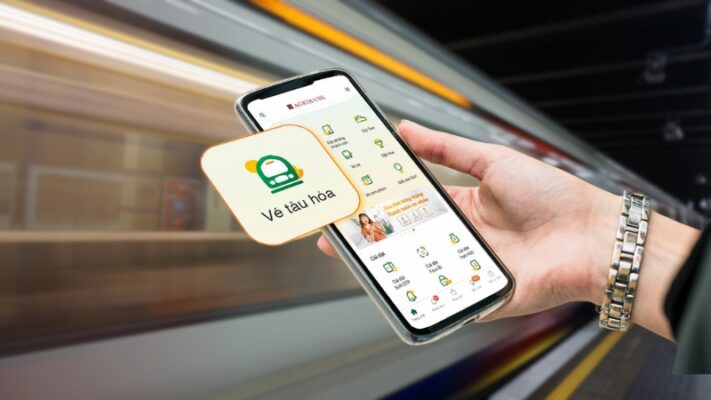
Today, passengers can conveniently book tickets online through official railway websites, banking apps, or e-wallet platforms. These options save time, reduce the need to queue at stations, and sometimes offer promotional prices.
2. Choose the Right Cabin Type
Sleeper trains usually provide several cabin options to suit different budgets and comfort preferences.
-
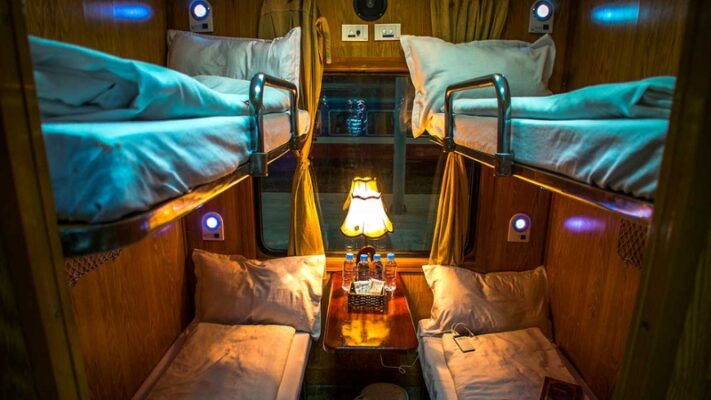
4-berth cabins are the most common choice. They offer a reasonable amount of space and comfort, making them suitable for most travelers.
-
6-berth cabins are more economical but tighter in space. They are ideal if you simply need a place to sleep and don’t mind sharing with more people.
-
2-berth (VIP) cabins provide maximum privacy and comfort. Although more expensive, they are well worth considering for couples or travelers who value quiet and personal space.
Choosing the right cabin can significantly affect your overall travel experience.
3. Bring Essential Personal Items
Even though basic bedding is provided, you should bring personal items such as slippers, toiletries, and possibly a small pillow for extra comfort. Wearing loose, comfortable clothing will also help you rest better, especially on overnight journeys.
A light jacket or shawl is recommended, as the air conditioning can feel cold at night.
4. Pack Water and Snacks
For long trips, it’s wise to pack bottled water and light snacks like fruit, biscuits, or candy. These can be helpful if you feel hungry outside of meal service times. Avoid foods with strong odors to ensure a pleasant environment for everyone in the cabin.
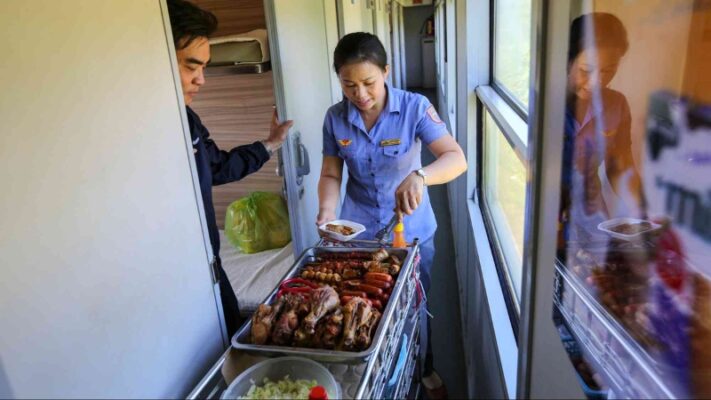
While food and drinks are available on the train, prices are usually higher than outside, so preparing in advance can be more economical.
5. Bring Entertainment Devices
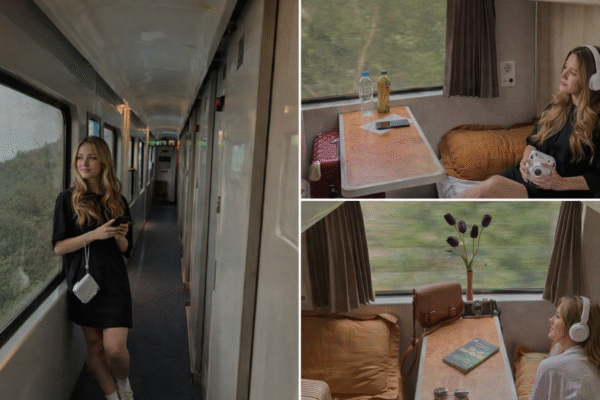
Sleeper train journeys can be long, so bringing entertainment devices such as a book, phone, tablet, or laptop can help pass the time. A power bank is also highly recommended in case charging outlets are limited or inconvenient.
Listening to music or podcasts with earphones is a good way to relax without disturbing other passengers.
6. Enjoy the Scenery
One of the unique advantages of traveling by sleeper train is the opportunity to enjoy beautiful scenery along the way. Unlike airplanes, trains allow you to see landscapes, towns, rivers, and coastlines up close. On routes like the North–South railway, the changing views can be a memorable part of the journey.
7. Lock Up and Keep Valuables Safe
At night, always lock your cabin door to feel more secure while sleeping. If possible, choose a cabin near the train staff for extra peace of mind.
Keep valuables like wallets, phones, laptops, and jewelry in sight or right next to you. If anything goes missing or you have safety concerns, report them immediately to train staff.
8. Ask Staff for Help
Sleeper train staff are available to assist passengers throughout the journey. Whether you need help finding your seat, ordering food, or resolving a problem, don’t hesitate to ask. Their support can make your trip much more comfortable.